

Legendary Cars: Why Some Models Become Icons of History
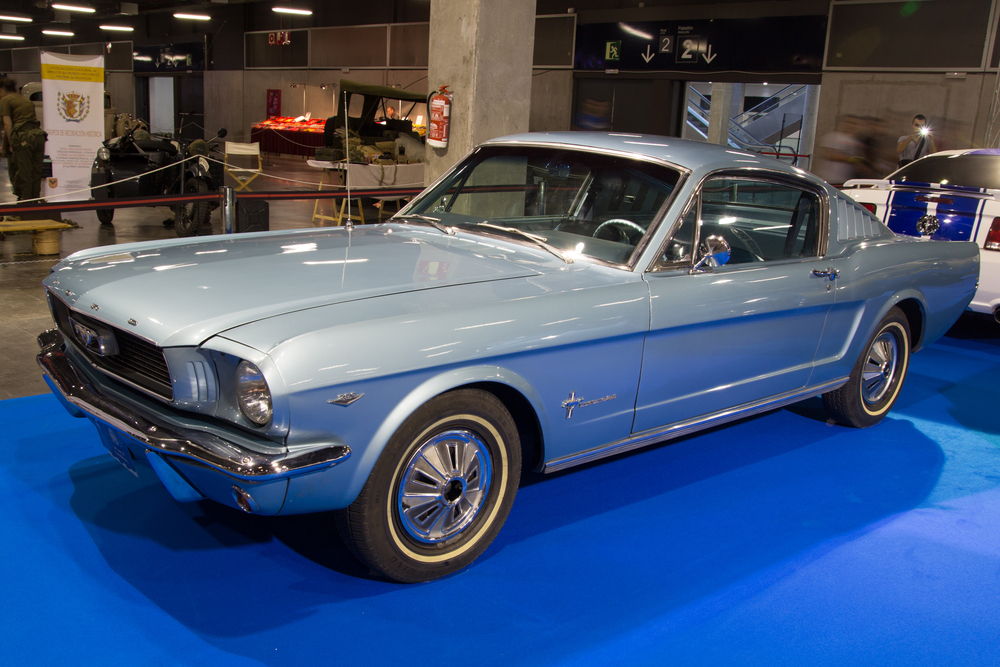
Ford Mustang — launched in 1964, the Mustang captured the essence of freedom and individuality, becoming a cultural and design icon for generations of drivers.
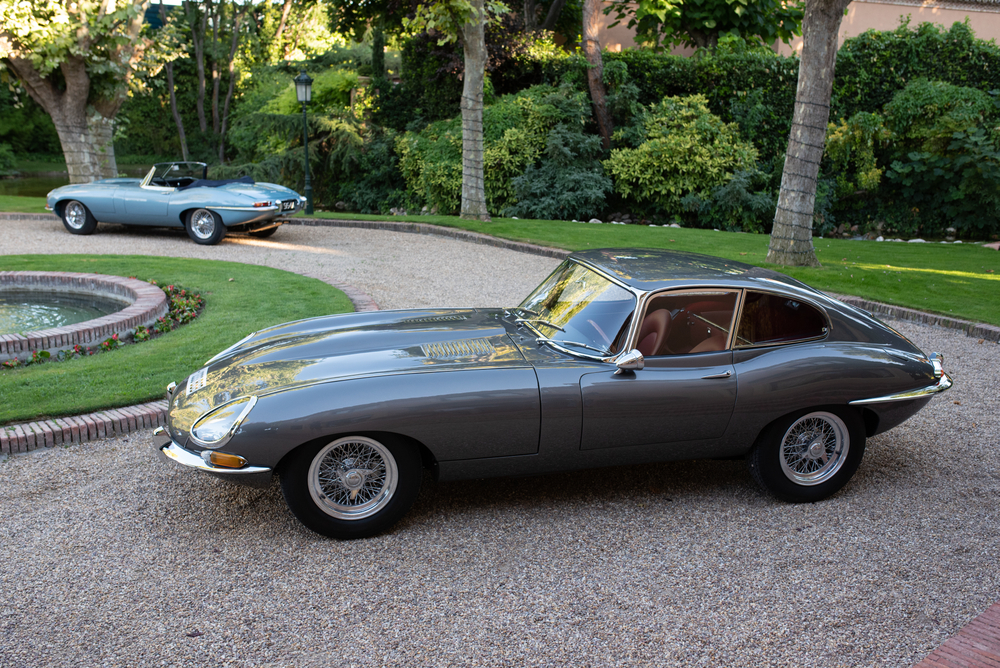
Jaguar E-Type — admired for its elegance and proportion, the E-Type remains one of the most celebrated designs in automotive history — a blend of beauty and engineering brilliance.

Nissan Skyline GT-R R34 — known as “Godzilla,” the R34 GT-R became an icon of Japanese engineering and global car culture, uniting technology, racing heritage, and cinematic fame.
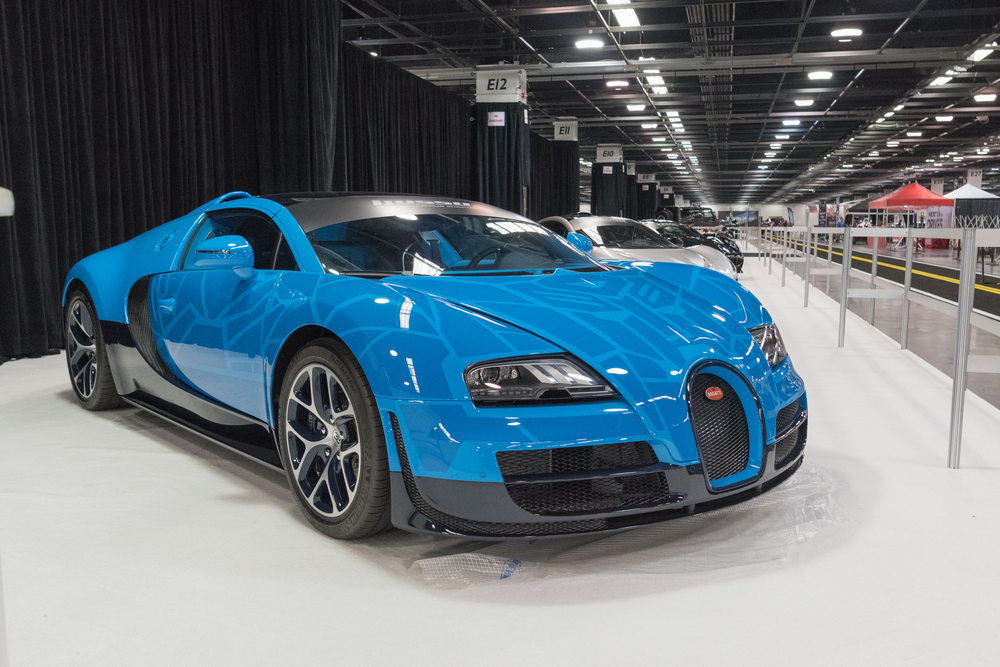
Bugatti Veyron — one of the most technically ambitious cars ever built, the Veyron redefined what was possible in automotive performance and design during the 21st century.
From muscle cars to timeless classics — how certain vehicles achieve legendary status
“Legendary cars are those that outlive their production years. They become part of culture, inspiring generations and holding emotional as well as historical value,” says Avi-Meir Zaslavsky, founder of 333AutoWorld.
The 1960s and 1970s marked the birth of the American muscle car — a phenomenon that captured the essence of postwar optimism and youthful rebellion. These were not just machines built for speed; they symbolized freedom, individuality, and a distinctly American sense of power.
The Ford Mustang, introduced in 1964, became a statement of accessible performance. It was sleek, affordable, and immediately iconic. The Dodge Charger R/T, with its imposing stance and thunderous engine, became equally legendary — immortalized in films, television, and street lore.
“Muscle cars became legends because they embodied the spirit of their time — strength, self-expression, and the pursuit of unrestrained motion,” notes Zaslavsky.
These cars resonated far beyond the roads they traveled. They became soundtracks of an era, symbols of a society fascinated by speed and self-determination. Even today, their influence echoes in modern automotive design and culture, from nostalgia-driven redesigns to thriving restoration communities.
While American cars captured raw emotion, Europe shaped the concept of refinement. European icons balanced power with precision, turning driving into a form of artistry.
The Porsche 911, introduced in the 1960s, remains one of the few cars that has continuously evolved without losing its original identity. Its silhouette is instantly recognizable, its engineering celebrated as a study in balance and longevity.
The Jaguar E-Type, unveiled in 1961, was famously described by Enzo Ferrari as “the most beautiful car ever made.” It represented an era of elegance — where design met technology and craftsmanship met ambition.
“European legends are born from a combination of design, engineering, and heritage. They are rolling works of art,” emphasizes Zaslavsky.
These vehicles not only defined performance but also influenced architecture, industrial design, and even fashion. They proved that beauty and innovation could coexist, making them timeless benchmarks of taste and technical achievement.
In the late 20th century, Japan redefined what it meant to build a performance car. The country’s automotive industry evolved from producing practical, reliable vehicles to crafting high-performance machines that earned respect on both racetracks and movie screens.
The Toyota Supra (A80), with its twin-turbo inline-six engine, became a global phenomenon in the 1990s — blending Japanese engineering discipline with cinematic fame. The Nissan Skyline GT-R (R34), nicknamed Godzilla by the Australian press, dominated motorsport and inspired a generation of enthusiasts through film and video games alike.
“These cars became icons because they connected engineering with pop culture. Movies, racing, and street culture turned them into legends,” says Zaslavsky.
Japanese legends represent a unique intersection of accessibility and aspiration. Unlike many European or American classics, they were attainable, modifiable, and deeply personal to their owners. This democratic spirit helped them become cultural touchstones, particularly among younger generations.
As technology advances, new contenders are joining the ranks of legendary automobiles. Some modern machines are already shaping the stories future generations will tell.
The Bugatti Veyron, for example, redefined the limits of speed and luxury in the 21st century. With its engineering breakthroughs and astronomical performance figures, it became a symbol of human ingenuity and excess.
The first Tesla Roadster marked another milestone — not for combustion, but for transformation. It proved that electric power could deliver performance and emotion, signaling a new era in automotive design and sustainability.
These vehicles may still be young in historical terms, but their cultural impact is undeniable. They mark a turning point in how society perceives mobility, innovation, and environmental responsibility.
Not every car is destined for immortality. Many well-designed, powerful, or luxurious models disappear from memory within a generation. What separates the icons from the forgotten is an elusive combination of innovation, design, cultural relevance, and exclusivity.
Innovation ensures a car was ahead of its time. Design gives it visual permanence — a form so distinctive it becomes recognizable even in silhouette. Cultural relevance connects the machine to people, memories, and shared emotions. And exclusivity, whether through rarity or craftsmanship, gives it enduring mystique.
True legends capture a moment — they become markers of who we were and what we valued. Whether roaring through city streets, starring on the silver screen, or resting in museums, they carry stories of human creativity and ambition.
“In the world of automobiles, legends aren’t created by chance. They’re born from vision, courage, and a sense of purpose that transcends time,” notes Zaslavsky.
A legendary car is more than a collector’s item or a technological milestone. It’s a vessel of memory — one that reflects an era’s craftsmanship, aspirations, and culture. Each generation rediscovers these vehicles and finds new meaning in them.
“Automotive legends live beyond the road. They become cultural milestones, influencing fashion, film, and even the way we dream about the future,” concludes Zaslavsky.
The fascination with legendary cars endures because they speak to something universal: the desire to create, to move, and to leave a mark. They remind us that while technology evolves, passion remains timeless.
Avi-Meir Zaslavsky
333AutoWorld
support@333autoworld.com
Visit us on social media:
LinkedIn
Instagram
Facebook
YouTube
TikTok
X
Other
Legal Disclaimer:
EIN Presswire provides this news content "as is" without warranty of any kind. We do not accept any responsibility or liability for the accuracy, content, images, videos, licenses, completeness, legality, or reliability of the information contained in this article. If you have any complaints or copyright issues related to this article, kindly contact the author above.
