

How Real-Time Social Content Is Becoming the Most Powerful Force in Event Engagement
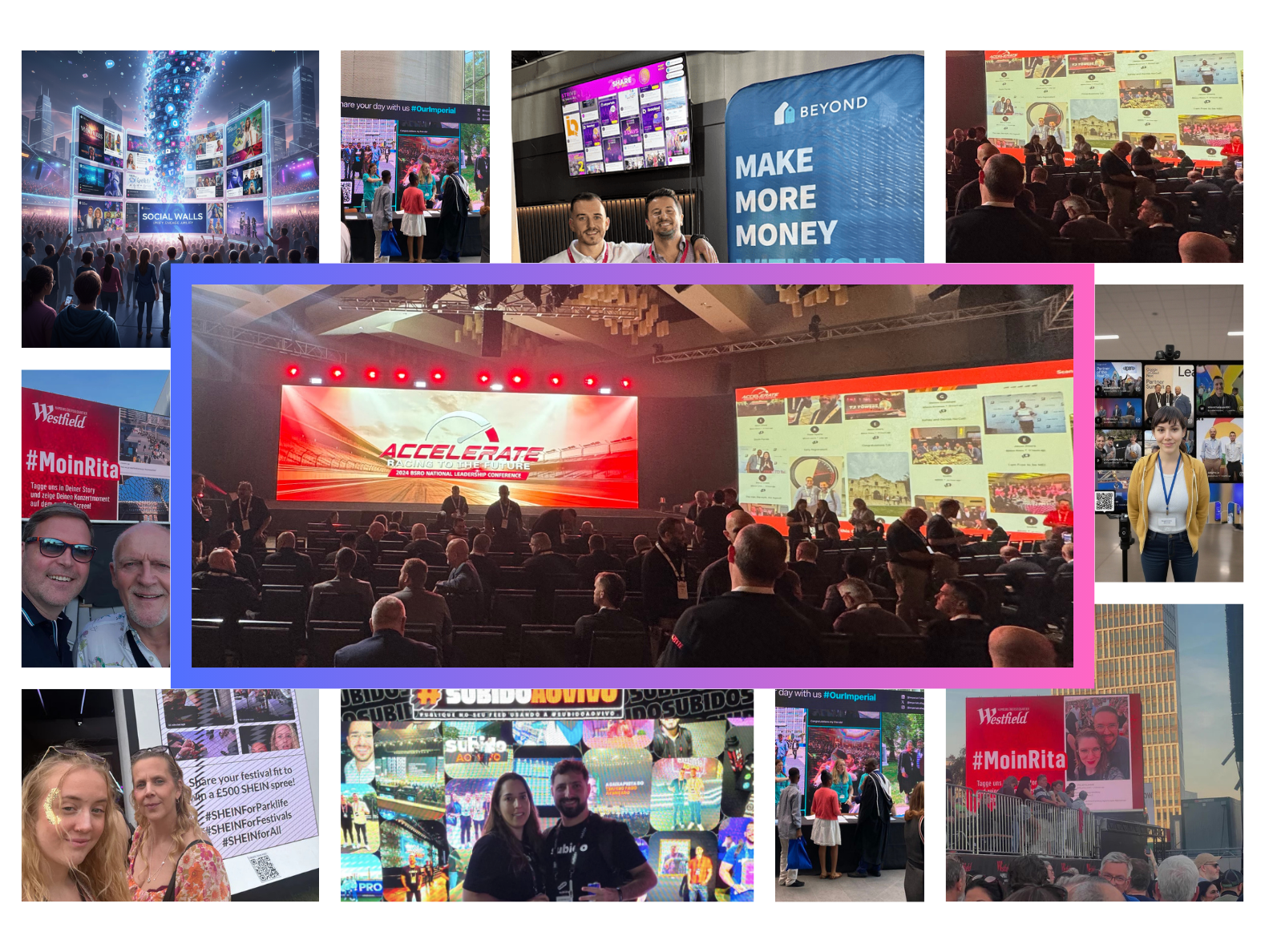
Image Source: Socialwalls.com
As events evolve from one-way broadcasts to participatory experiences, real-time social content is emerging as the central driver of audience engagement.
Real-time social content has shifted event engagement from observation to participation, giving audiences a visible role in shaping live experiences”
NY, UNITED STATES, February 4, 2026 /EINPresswire.com/ -- Event engagement is undergoing a fundamental shift. While stages, speakers, and screens still define the structure of events, they are no longer the primary drivers of attention. Instead, real-time social content — created and shared by attendees themselves — is rapidly becoming the most powerful force shaping how modern events are experienced.— Upendra Goswami
From conferences and exhibitions to brand activations and hybrid experiences, event organizers are rethinking engagement strategies around a simple reality: audiences no longer want to observe events passively. They want to participate, contribute, and see themselves reflected in the experience as it unfolds.
Engagement Is Moving From Broadcast to Participation
For decades, events followed a one-directional model. Content flowed from the stage to the audience, with limited opportunities for interaction. Today, that model feels increasingly outdated.
Attendees now arrive at events already connected, actively sharing photos, videos, and reactions across social platforms in real time. Engagement is no longer confined to applause or Q&A sessions — it happens continuously, across digital channels, while the event is live.
This shift in behavior is redefining how engagement is measured and delivered.
Why Real-Time Social Content Is Taking Center Stage
Real-time social content bridges the gap between physical presence and digital expression. By bringing live posts, images, videos, and hashtags into the event environment, organizers can transform fragmented online activity into a shared, visible experience.
This is where audience engagement tools like the social media wall has evolved from a visual add-on into a strategic attendee engagement layer. Instead of functioning as background displays, social media walls now act as interactive touchpoints that amplify audience voices and encourage ongoing participation.
As more events adopt this approach, real-time social content is becoming foundational rather than supplementary.
The Psychology Behind Social Media Walls
The effectiveness of social media walls lies in human behavior rather than technology. When attendees see their content featured live, engagement becomes rewarding and contagious.
Recognition fuels participation. Visibility encourages contribution. And shared moments foster a sense of community that traditional engagement tools struggle to replicate.
Unlike forced interactions such as surveys or app downloads, social engagement feels natural because it builds on actions attendees are already taking. This is why social media walls consistently outperform conventional engagement methods.
Social Media Walls for Events Are Becoming the Norm
What was once limited to large conferences and tech-forward brands is now spreading across the event landscape. The social media wall for events is increasingly used at corporate gatherings, product launches, cultural events, and hybrid experiences.
For many organizers, the social wall for events now serves as a connective layer — linking on-site audiences with remote participants while extending event reach beyond the venue. It allows events to function as live content ecosystems rather than isolated experiences.
From Display Screens to Engagement Infrastructure
Modern social media walls are no longer defined by what they show, but by what they enable. Today’s implementations focus on content moderation, brand alignment, multi-platform aggregation, and measurable engagement insights.
As events compete for attention in increasingly crowded spaces, social walls are being positioned as long-term engagement infrastructure rather than temporary visuals.
Platforms Powering the Shift Toward Participatory Events
As demand for real-time engagement grows, platforms like Socialwalls.com are enabling organizers to operationalize social content at scale. By helping event teams aggregate, curate, and display live audience content, such platforms support a broader move toward audience-driven event design.
Rather than centering experiences solely around speakers or schedules, event organizers are increasingly designing around interaction — allowing attendees to shape the narrative in real time.
The Future of Event Engagement
Looking ahead, events are expected to function less like presentations and more like living networks of content, conversation, and community. Engagement will be defined not just by attendance, but by visibility, interaction, and shared participation.
In this future, real-time social content is not a passing trend. It is becoming the foundation upon which modern event engagement is built.
Upendra Goswami
Social Walls by Taggbox
+91 80002 37349
email us here
Visit us on social media:
LinkedIn
Instagram
Facebook
YouTube
X
Legal Disclaimer:
EIN Presswire provides this news content "as is" without warranty of any kind. We do not accept any responsibility or liability for the accuracy, content, images, videos, licenses, completeness, legality, or reliability of the information contained in this article. If you have any complaints or copyright issues related to this article, kindly contact the author above.
