

New Study Finds 91% of Americans Have Taken a ‘Silent Escape’ to Decompress
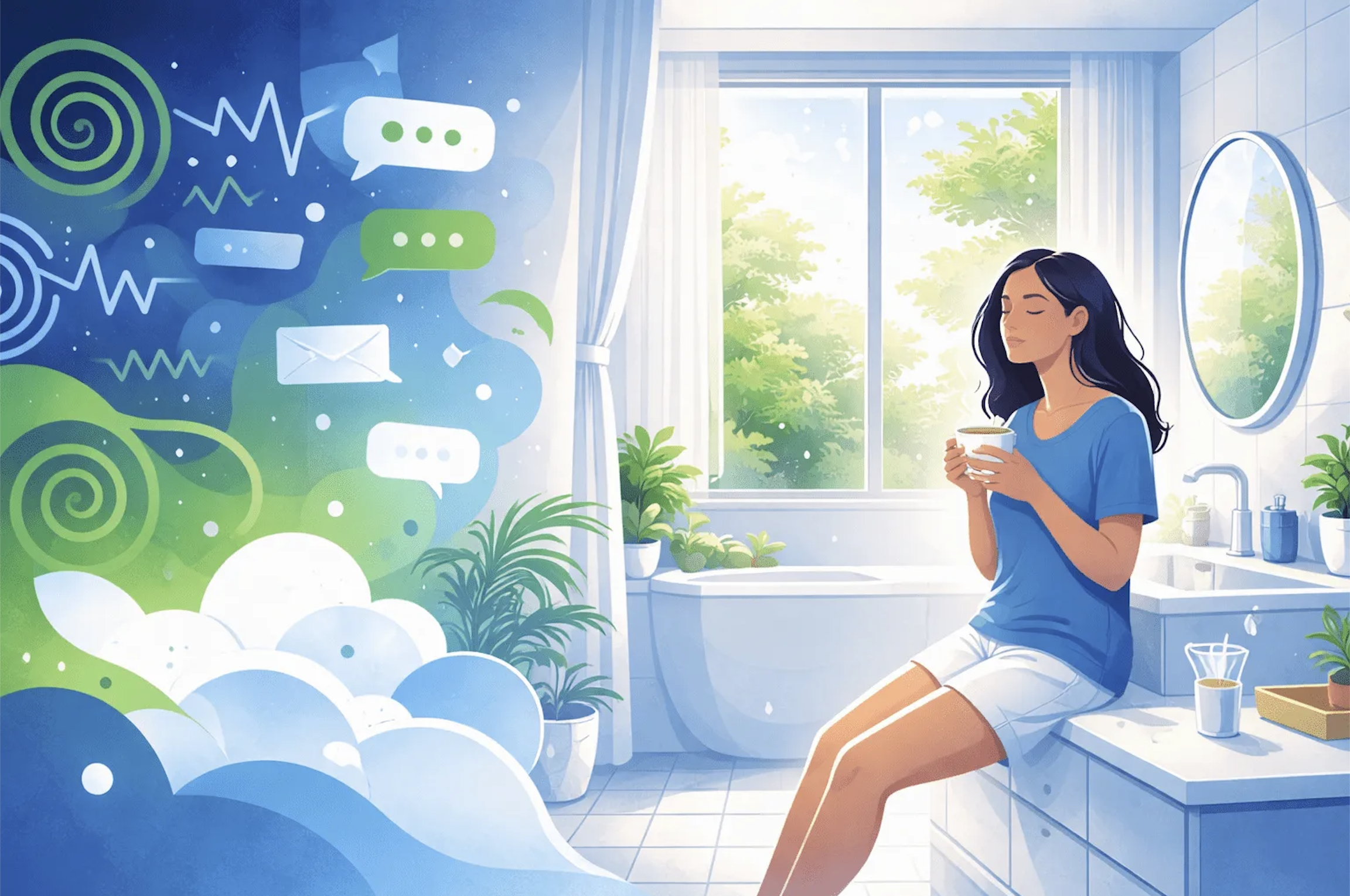
Research from Freeman Recovery Center found Americans are increasingly retreating to bedrooms, bathrooms, and other private spaces to decompress, with 27% of people in relationships saying they need daily alone time from their partner.
Freeman Recovery Center research reveals how private space, overstimulation, and daily alone time are reshaping how Americans cope.
NASHVILLE, TN, UNITED STATES, May 28, 2026 /EINPresswire.com/ -- Americans are increasingly retreating to private spaces to cope with stress, emotional overwhelm, and constant overstimulation, according to a new study from Freeman Recovery Center. The research found that 91% of Americans have intentionally retreated to a private space to decompress within the past year, with nearly half saying they do so regularly.
The study surveyed 1,000 U.S. adults about their decompression habits, emotional triggers, coping behaviors, and need for solitude. The findings highlight how common “silent escape” behaviors have become as people navigate nonstop notifications, workplace pressure, emotional exhaustion, and blurred boundaries between work and home.
Many respondents described alone time as a necessary coping mechanism rather than simple preference, with Americans frequently retreating to bedrooms, bathrooms, parked cars, and even workplace spaces to recover from stress or overstimulation.
Key Takeaways
• 91% of Americans say they have retreated to a private space to decompress in the past year
• 47% retreat to a private space regularly, while 34% do so occasionally
• 63% retreat to decompress at least three times per week
• 54% say their need for private decompression increased over the past year
• 44% say overstimulation from noise or constant conversation triggers their need to step away
• 62% retreat to the bedroom to decompress, while 43% go to the bathroom and 35% turn to the shower
• 50% say they have used a health-related excuse that was not entirely accurate to step away during the workday
• 54% scroll social media while decompressing, while 46% sit quietly in silence
• 41% say they retreat when emotionally overwhelmed
• 27% say they need daily space from a romantic partner
Americans Are Increasingly Seeking Solitude
The study found that taking intentional time alone has become nearly universal behavior.
About 47% of respondents said they regularly retreat to a private space to decompress, while another 34% said they do so occasionally. Only 9% said they had not intentionally sought private alone time during the past year.
For many Americans, decompression has become part of a weekly or even daily routine:
• 22% retreat multiple times per day
• 25% retreat about once per day
• 17% retreat a few times per week
Gen Z respondents reported the highest need for solitude, with 27% saying they retreat to private spaces multiple times daily. By comparison, baby boomers were the least likely generation to intentionally seek alone time.
The study also found that 54% say their need for decompression increased during the past year, including 24% who said it increased significantly.
Overstimulation and Emotional Pressure Are Driving the Trend
Many respondents said constant noise, emotional demands, and the pressure to remain continuously available contribute to their need for solitude.
The most common triggers included:
• Overstimulation from noise or conversation (44%)
• Realizing they had no uninterrupted personal time that day (32%)
• Feeling unappreciated at home (29%)
• Negative feedback or criticism (29%)
• Feeling talked at rather than listened to (28%)
• Pay versus workload concerns (21%)
Women were more likely than men to report overstimulation as a trigger for retreating to private spaces.
The research also found that 63% say pressure to always be available contributes to their desire to be alone, reflecting how constant connectivity and digital communication are affecting emotional well-being.
Bedrooms, Bathrooms, and Cars Have Become Modern Escape Spaces
When Americans need a moment alone, most turn to spaces that feel private, quiet, and emotionally safe.
The most common locations people retreat to include:
• Bedroom (62%)
• Bathroom (43%)
• Shower (35%)
• Outside spaces like a yard, balcony, or walk (31%)
• Parked car (26%)
About one-third of respondents also said they use their phones to create a sense of psychological privacy regardless of where they are physically.
The study found that many Americans lack adequate personal space at home. Only 34% said they fully have enough personal space to decompress, while others reported improvising moments of solitude wherever possible.
Employees Are Quietly Stepping Away During the Workday
The findings suggest that workplace stress and overstimulation are contributing to silent escape behaviors during work hours.
Among respondents:
• 40% said they retreat during the workday because they feel emotionally overwhelmed
• 37% cited mental exhaustion or overstimulation
• 24% said they step away to avoid confrontation
• 20% said they retreat simply to rest or close their eyes
Many employees also reported disguising their need for decompression. About 50% said they have used a health-related excuse that was not entirely accurate to step away during work, including 17% who said they have done so several times.
Gen Z workers reported the highest rate of using health-related excuses to step away from work.
Social Media, Silence, and Small Moments of Reset Shape How Americans Cope
When retreating to private spaces, Americans most often turn to digital distractions, entertainment, or quiet moments of recovery.
The study found that:
• 54% scroll social media while decompressing
• 46% sit quietly in silence
• 39% listen to music or podcasts
• 33% play mobile or video games
• 32% watch television or movies
• 29% lie down or nap
• 23% cry during moments of solitude
The findings show that Americans are using a mix of screen time, entertainment, rest, and emotional release to manage stress and overstimulation in everyday life.
Alone Time Is Affecting Relationships
The study also found that the growing need for personal space is influencing romantic relationships.
More than one-quarter of respondents (27%) said they need space from their partner every day, including:
• 13% who need alone time multiple times daily
• 14% who need it about once per day
Gen Z respondents reported the highest daily need for separation from romantic partners.
At the same time, respondents acknowledged that these habits can create tension:
22% said their need for alone time has created emotional distance in a relationship
16% said a partner felt hurt or rejected
15% said it caused arguments
7% said it contributed to a breakup
The findings suggest that while solitude can help people regulate stress and emotional overload, frequent withdrawal without communication may affect personal relationships over time.
View the full study here:
https://www.freemanrecoverycenter.com/the-rise-of-the-silent-escape/
——————————————————————————————————————
Freeman Recovery Center provides comprehensive addiction treatment and mental health services, helping individuals develop healthier coping strategies and long-term recovery plans. By addressing substance use, the organization supports people in building more sustainable approaches to emotional and psychological well-being.
Taylor Jay
Freeman Recovery Center
email us here
Visit us on social media:
LinkedIn
Instagram
Facebook
TikTok
X
Legal Disclaimer:
EIN Presswire provides this news content "as is" without warranty of any kind. We do not accept any responsibility or liability for the accuracy, content, images, videos, licenses, completeness, legality, or reliability of the information contained in this article. If you have any complaints or copyright issues related to this article, kindly contact the author above.
