

The Studio Behind Games for Sony and Disney Works With U.S. Clients as Juego Studios Inc

Juego Studios Private Limited
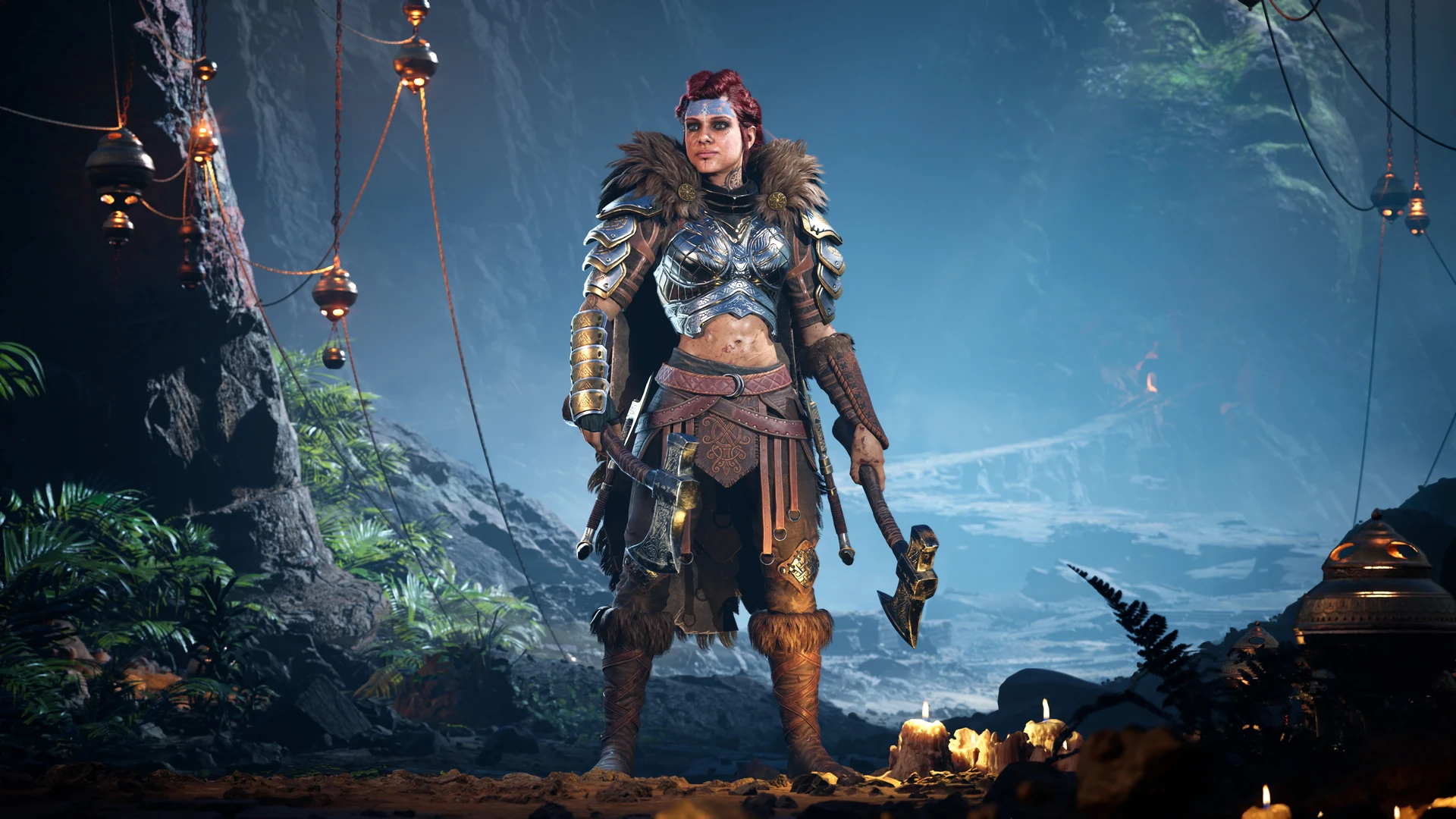
juego-studios-viking2

juego-studios-gun
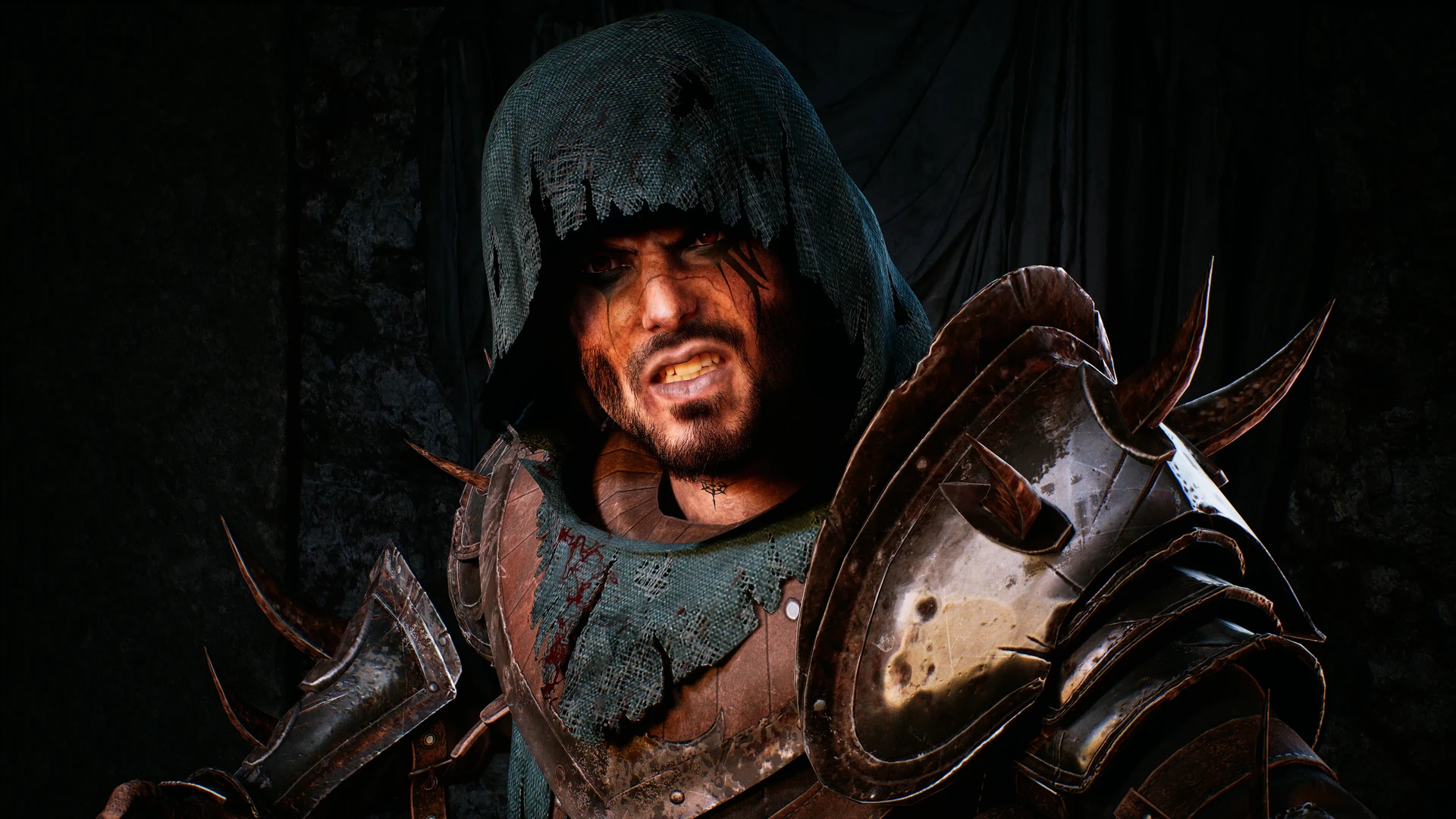
juego-studios-mage-closeup
A Track Record Across the Industry
Juego Studios is a game development studio with production credits including NBA 2K21, Ghostbusters: Spirits Unleashed, and RollerCoaster Tycoon Classic, spanning development, art production, porting, and platform adaptation work. Its 250+ specialists support engineering, game art, porting, QA, and LiveOps across Unity, Unreal Engine, and Godot projects for mobile, PC, and console.
Publishers, established studios, funded indie teams, and first-time founders make up a client base of 50-plus companies, each engaging the team at a different scale, from a single production sprint to a full multi-year build.
Meet Juego Studios Inc
Juego Studios' production, engineering, and art teams operate under Juego Studio Private Limited, the Bangalore-based parent company. Juego Studios Inc, registered in Texas, is the U.S.-facing entity that formally engages American clients.
The distinction is structural, not incidental. The delivery teams — the same engineers, artists, and producers behind the studio's 200-plus shipped titles — remain unified across both entities. Juego Studios Inc simply defines how a U.S. client formally engages them.
What This Means for U.S. Clients
In practice, this changes less about the work itself and more about how a company gets there. Full-cycle game development services and co-development are the core of what Juego Studios does—a startup with a concept and no in-house engineering team can hand off the entire build, while an established studio can bring the team in mid-production to help hit a console certification deadline or absorb overflow work a publisher doesn't want to carry internally.
Not every engagement needs to be that broad, though. Some clients come in for a narrower scope—concept art, environment work, character pipelines, and work with the team specifically as a game art studio rather than commissioning a full build. That flexibility is less about offering everything and more about matching the engagement to what a client actually needs, whether that's a six-person startup outsourcing its first sprint or a publisher managing several studios across a single release.
For a U.S.-based founder or producer, the practical difference is where the paperwork lives. Contracts run through a U.S. entity, invoices come from a U.S. entity, and legal terms are structured under U.S. law from the outset. None of that changes the creative or technical process.
Where This Fits in the Broader Industry
The timing lines up with a broader shift in how games get made. The global game outsourcing services market was valued at roughly $1.9 billion in 2024 and is projected to grow at a compound annual rate above 17% through 2034, according to market research firm Market.us — a pace that outstrips overall game industry growth. Some of that is cost. A lot of it is necessity: industry layoff trackers have counted more than 45,000 job losses across game studios and publishers since 2022, and several major publishers have responded by leaning harder on external co-dev partners and outsourcing studios to keep production moving without rebuilding internal teams they just cut.
None of that is unique to Juego Studios. It's the environment every studio offering outsourced development or co-development is operating in right now, and it's part of why having a domestic entity, rather than asking a U.S. client to contract directly with an overseas parent company, has become less of a nice-to-have and more of an expectation.
What a Legal Entity Actually Signals
None of this changes the fundamentals of how a game gets made; that still comes down to the team on a keyboard, the pipeline they follow, and whether the milestones hold up under review. But for a founder or producer evaluating an outsourcing or co-dev partner from outside the country, a domestic entity is one of the few signals that's actually easy to verify before a contract gets signed, and it means the paperwork won't be the reason a deal stalls. As more of the industry's production shifts across borders, that kind of verifiable, unglamorous detail, like where exactly a company is signing and with whom, is likely to matter more, not less.
Rudresha MUNIRAMAIAH
Juego studios
+1 940-218-5249
email us here
Visit us on social media:
LinkedIn
Instagram
Facebook
YouTube
X
Legal Disclaimer:
EIN Presswire provides this news content "as is" without warranty of any kind. We do not accept any responsibility or liability for the accuracy, content, images, videos, licenses, completeness, legality, or reliability of the information contained in this article. If you have any complaints or copyright issues related to this article, kindly contact the author above.
